
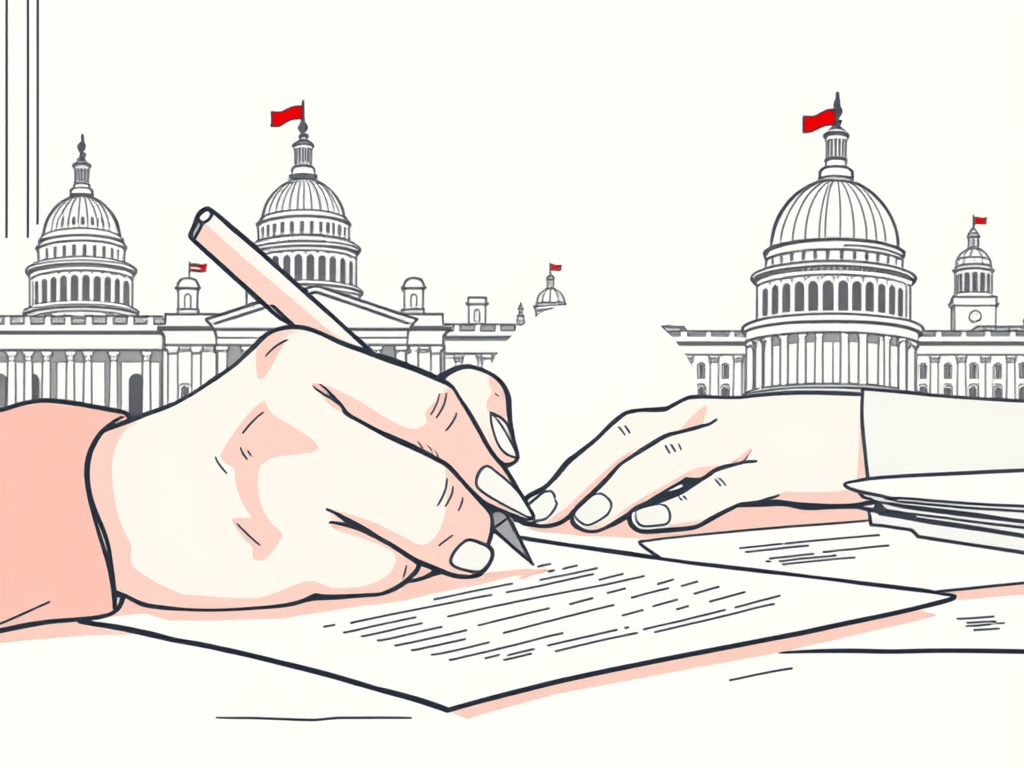
There’s a kind of helplessness that creeps in when someone you love is incarcerated and the system around them seems built to resist change. You watch policies stall, bills fail, and reforms take years to materialize. It is easy to believe that nothing you do will make a difference.
But here is the truth: voices matter. And handwritten or thoughtfully crafted letters to lawmakers still carry weight. In a world flooded with email blasts and scripted calls, a personal story—told with clarity and conviction—can be a powerful tool for change.
Advocacy mail is not about shouting. It is about storytelling, urgency, and the human cost of inaction. Whether you are writing to your state representative, a committee chairperson, or the Board of Pardons and Paroles, the goal is to put a face to the policy. To make them feel the weight of the system as it exists now, and to ask them—personally and directly—to help make it better.
Where to Begin: Know Who You’re Writing To
Before you put pen to paper, take a moment to understand your audience. Is it a state senator who sits on the criminal justice committee? A parole board member reviewing your loved one’s case? A representative voting on a bill that could impact sentencing or parole eligibility?
Do your research. Use official state legislature websites to find names, mailing addresses, and positions. Make sure your letter is going to someone who has the power to take action on the issue you are raising. And if it is not, ask them to forward your concerns to the right person—or to champion the issue on your behalf.
What Lawmakers Actually Read
Most legislators have staff who sort and summarize the mail they receive. That means clarity, brevity, and a respectful tone are critical. The goal is not to deliver a speech, but to make a compelling case.
Well-written letters usually include the following:
- A short introduction about who you are and why you are writing
- A clear statement of the issue or request
- A personal story that illustrates how this issue affects real people
- A call to action—what you want the lawmaker to do
- A thank-you or expression of hope that encourages continued communication
Writing the Letter: A Step-by-Step Guide
1. Start With a Clear Heading
Include your name and return address. If you are writing on behalf of someone incarcerated, mention your relationship and include their name, ID number, and unit (but only if relevant and safe to share).
Example:
Christina Johnson
123 Main Street
Dallas, TX 75201August 12, 2025
The Honorable Rep. Jane Smith
P.O. Box 2910
Austin, TX 78768
2. Open With Respect
Use a formal greeting. Address the recipient by title and last name.
Example:
Dear Representative Smith,
Dear Chairwoman Jackson,
Dear Members of the Board,
3. Explain Who You Are and Why You’re Writing
A few short sentences are enough. Keep it simple and honest.
My name is Christina, and I am writing as the partner of someone currently incarcerated in Texas. I am reaching out to express my concern about the current parole review process, and to ask for your support in reforming how cases are evaluated.
4. Share the Personal Story
This is where your letter becomes more than a statistic. Choose a story that is truthful, emotional without being overly dramatic, and tied directly to the issue at hand.
My husband has served over 18 years of a 30-year sentence. He has completed every required program, maintained a clean disciplinary record, and built a support system ready to help him succeed. Yet, despite these efforts, he continues to be denied parole with vague or contradictory reasoning. These decisions affect not only him, but our entire family. I work full-time and still find time to support him with phone calls, visits, and reentry preparation. We are ready. The system is not.
Be careful not to include unnecessary details or language that may trigger resistance. Avoid making legal arguments unless you are confident in your understanding. Focus instead on the human experience and how current policies fail to account for rehabilitation, growth, and community readiness.
5. Make a Clear Ask
Be specific. Ask for a vote, a policy review, support for a bill, or a commitment to consider your letter in future discussions.
I am asking you to support legislation like HB 200, which would create meaningful parole opportunities for those sentenced as young people.
Or:
I respectfully ask the Board to consider the full context of my husband’s progress and support system when reviewing his upcoming parole case.
6. Close With Gratitude and Contact Information
Let them know you appreciate their time and that you are open to further communication.
Thank you for your service and for reading my letter. I would be grateful for any updates or next steps you recommend. Please do not hesitate to contact me with any questions.
Sincerely,
Christina Johnson
(email and/or phone number, if appropriate)
Mailing Tips
- Always send a physical letter unless the office specifically recommends email.
- Use a clean, readable font if typed, or neat handwriting if written.
- Keep it to one page whenever possible.
- Include a return address and be aware that some mail may be opened or scanned before delivery.
- If writing to the parole board, reference the review date if known.
Letter Templates and Resources
You can also include a one-page summary or flier with your letter if you are writing on behalf of a larger campaign or organization. Keep those materials clear and visually simple.
If you’re not sure how to structure your letter, draft it like you are telling a trusted neighbor. Avoid jargon. Keep it human.
Final Thought
You may never get a reply. The change might not come immediately. But your letter joins a growing chorus of voices calling for a justice system that is more transparent, more compassionate, and more focused on redemption than punishment.
Writing one letter will not fix everything. But it is a start. And every movement that ever mattered began with someone deciding that silence was no longer an option.



 Chapters and Chains
Leave a comment