
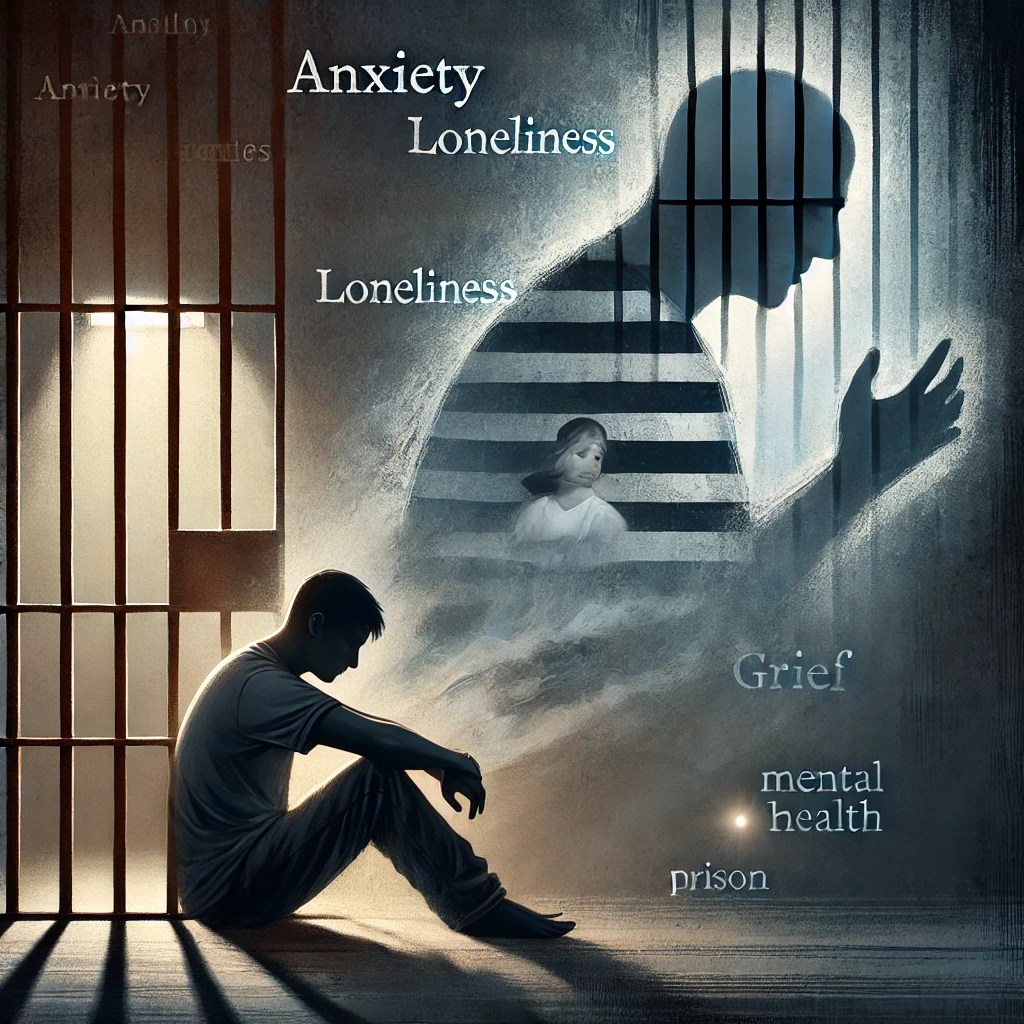
The incarceration of a loved one extends its impact far beyond prison walls, profoundly affecting the mental health of family members left behind. This emotional burden manifests in various ways, from psychological distress to long-term health complications. Understanding these effects is crucial for providing appropriate support and mitigating the adverse outcomes associated with familial incarceration.
Psychological Distress Among Family Members
Research indicates that the incarceration of a family member significantly elevates psychological distress among relatives, particularly mothers and partners. A study published in the Journal of Health and Social Behavior found that mothers with incarcerated children experience heightened levels of depression and anxiety. This distress is often compounded by financial strains and the challenges of caring for the incarcerated individual’s children.
Similarly, African American women with incarcerated family members report increased psychological distress and depressive symptoms. The compounded stressors of racial disparities and familial incarceration contribute to these adverse mental health outcomes.
Impact on Children
Children with incarcerated parents face a higher risk of developing mental health issues, including depression, anxiety, and post-traumatic stress disorder (PTSD). The absence of a parent due to incarceration disrupts the child’s sense of security and stability, leading to emotional and behavioral challenges. A study highlighted in Pediatrics revealed that parental incarceration is associated with an increased likelihood of health problems in young adulthood, emphasizing the long-term impact on children.
The stigma and social isolation resulting from a parent’s incarceration further exacerbate these issues, as children may struggle with feelings of shame and confusion. Open communication and supportive interventions are essential to help mitigate these negative effects.
Financial and Social Strain
The incarceration of a family member often leads to significant financial hardship. Families may face loss of income, legal fees, and additional expenses related to supporting the incarcerated individual. This financial strain can cause chronic stress, contributing to mental health deterioration among family members.
Social relationships also suffer, as the stigma associated with incarceration can lead to isolation from extended family, friends, and the community. This isolation removes essential support systems, making it more challenging for families to cope with the emotional and practical difficulties they encounter.
Long-Term Health Implications
The stress and emotional turmoil associated with having an incarcerated loved one can have lasting health effects. Chronic stress is linked to various physical health issues, including hypertension, weakened immune function, and increased risk of chronic diseases. Mental health challenges, if unaddressed, can lead to substance abuse and other maladaptive coping mechanisms.
Support Strategies
Addressing the mental health needs of families affected by incarceration requires a multifaceted approach:
- Mental Health Services: Access to counseling and therapy can provide family members with coping strategies and emotional support.
- Support Groups: Connecting with others facing similar challenges can reduce feelings of isolation and provide a sense of community.
- Financial Assistance Programs: Resources aimed at alleviating financial burdens can help reduce stress and improve overall well-being.
- Educational Resources: Providing information about the incarceration process and available support can empower families to navigate this difficult period more effectively.
Understanding and addressing the mental health impact of having an incarcerated loved one is essential for fostering resilience and promoting the well-being of affected families. By acknowledging these challenges and implementing supportive measures, society can help mitigate the unseen toll of incarceration on families.
Sources
- https://pmc.ncbi.nlm.nih.gov/articles/PMC6505314/
- https://news.vanderbilt.edu/2020/09/02/incarceration-of-family-members-negatively-impacts-mental-health-outcomes-for-african-american-women/
- https://pmc.ncbi.nlm.nih.gov/articles/PMC3608482/
- https://www.betterhelp.com/advice/family/understanding-the-impact-of-incarceration-on-family-mental-health/



 Chapters and Chains
Leave a comment