
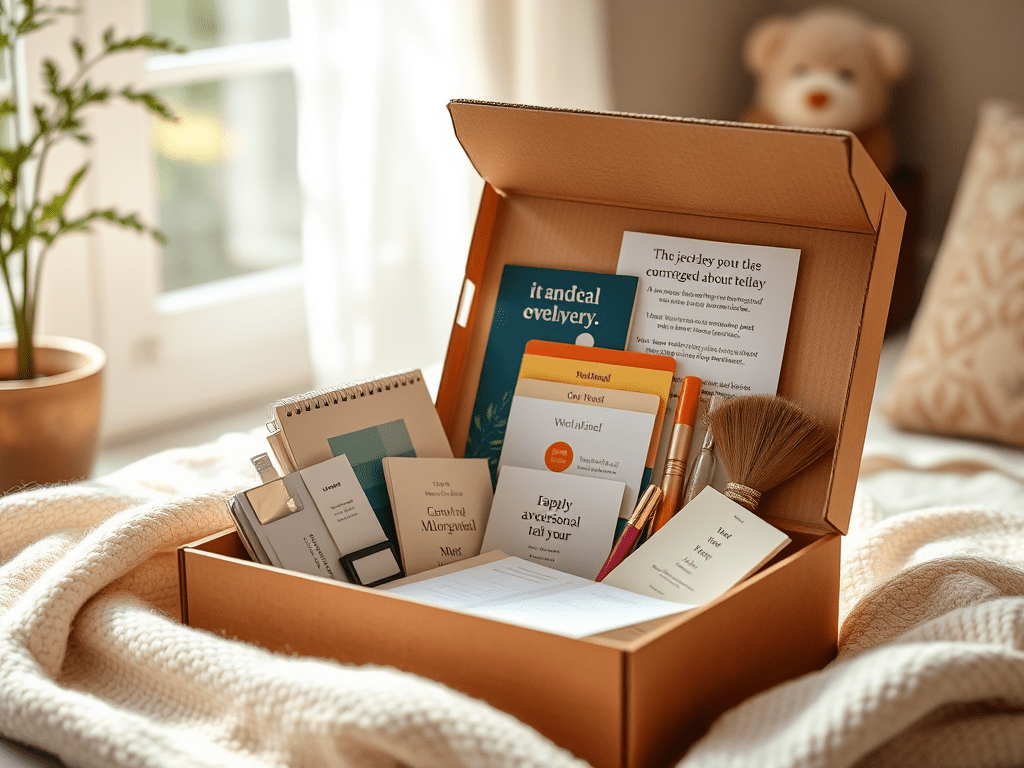
When you’re in a relationship with someone who is incarcerated, life doesn’t pause—but your emotional needs can sometimes get buried under the weight of holding everything together. Between managing daily responsibilities, staying connected to your partner, and navigating the complex emotions that come with distance, it’s easy to forget that youdeserve care, too.
That’s why building a monthly self-care kit—what I like to call a “Resilience Box”—can be one of the most healing things you do for yourself.
This isn’t about bubble baths and candles (though if those help, include them). It’s about intentionally carving out space to check in with yourself. To rest. To refill your emotional cup. To remind yourself that your needs matter, even in seasons of sacrifice.
Here’s how to build a Resilience Box that helps you feel more grounded, month by month.
What Is a Resilience Box?
A resilience box is a physical or digital kit you revisit each month to support your mental health and emotional well-being. It’s curated by you, for you, and evolves with your needs. Think of it as your personal care package—filled with affirmations, activities, and tools to reconnect you with yourself.
Unlike a journal or planner that stays on the shelf, this is a living project. You open it when you’re feeling overwhelmed. You add to it when you’re inspired. You create it not because things are easy, but because you’re committed to staying whole even when they’re not.
What to Include in Your Monthly Kit
There’s no single right way to build your box, but here are some core ideas that many women (and partners of the incarcerated) have found helpful:
1. A Personal Journal
Use it for brain dumps, weekly check-ins, or gratitude lists. Even just five minutes of writing can lower stress levels and help process heavy emotions.
Journal prompt ideas:
- What emotions have been loud this week? What are they trying to tell me?
- Where am I showing up for myself?
- What do I need more of, and what can I release?
You can also use this space to write letters to your future self—or to your partner—without needing a reply. It’s about expression, not perfection.
2. Printed Affirmations or Mantras
Include 5–10 note cards or sticky notes with affirming words you can pull out when you need grounding.
Examples:
- I can hold space for love and still set boundaries.
- Even in hard seasons, I am still growing.
- My worth is not measured by anyone else’s freedom.
Want affirmations that are specific to your relationship? That’s exactly what the Couples Communication Guidebook was designed to help with. Inside, you’ll find tools to craft personalized affirmations, shared goals, and love language check-ins that can strengthen your connection while caring for yourself.
3. Letters You’ve Saved (or Need to Write)
Include one or two letters that meant a lot to you—whether from your partner or a loved one. If you’re still waiting on mail, write a letter to yourself or to your partner, just to get your feelings out.
4. A Monthly Check-In Sheet
Track your energy, sleep, emotions, and support system. It’s not about control—it’s about awareness. If you notice patterns (like emotional crashes right before a parole review), you can prepare and support yourself proactively.
If you use a planner, you can even dedicate one page per month to your “Resilience Reflections.” Pair this with the conversation prompts from the Guidebook to align your own needs with your partner’s emotional state.
5. Grounding Tools
This could be:
- A worry stone or fidget object
- A playlist you only use when journaling
- A scent that calms you (lavender, citrus, or incense)
- A printed breathing technique or mini meditation
Keep it simple. These are tools to use in real time when the tears hit or the silence feels too loud.
6. Resource List
Print out or write down the mental health resources, support groups, or crisis lines you trust.
Include:
- A list of podcasts, blogs, or books that lift you up
- Your favorite quote or page from the Couples Communication Guidebook
- A reminder: You don’t have to do this alone.
Make It Yours
Use a decorative box, a shoebox, or even a digital folder. Add photos, favorite poems, or blank notecards to write new affirmations each month.
Update your Resilience Box on the first of every month or after big emotional events (like a visit, court date, or missed call). It’s not meant to be perfect or performative—it’s meant to be yours.
A Note on Love, Letters, and Letting Go
There is strength in loving someone who is incarcerated. There is power in showing up for them day after day. But your life matters, too. Your dreams, your joy, your healing—all of it deserves a seat at the table.
The Couples Communication Guidebook was created with that in mind. It helps you bring intentionality back into your connection, while also offering reflective prompts that center your own well-being. Because loving someone else should never mean abandoning yourself.
Start your Resilience Box today. Not because everything is okay, but because you are worth caring for—especially in the moments when you forget. Let your monthly check-ins remind you that you are not lost, you are still here, and you are still growing. One letter, one breath, one day at a time.



 Chapters and Chains
Leave a comment