
Prison lockdowns can happen for almost any reason. Someone fights. A storm hits. Guards call in sick and they are short staffed. The unit goes quiet. Phones shut off. Visits cancel. No calls. No messages. No updates.
You don’t get a notice. You just stop hearing from them.
For families and partners, the silence hurts. It’s not just a pause in routine. It’s fear, confusion, and emotional weight that builds hour by hour.
Here’s how to get through it.
Don’t assume the worst
Your brain will go there. That’s normal. But don’t build a story out of silence. Remind yourself: this is the system. Not a reflection of how your loved one feels about you.
Lockdowns don’t usually come with warning. And inside, they often can’t say when or why it started. No phones doesn’t mean something happened to them. It means control was taken away from both of you.
Make a plan for the first 72 hours
If you suspect a lockdown, use a three-day rule. Tell yourself: “I will wait 72 hours before I let myself spiral.” Set a timer or mark a date.
During that time:
- Don’t flood them with messages.
- Don’t refresh Securus all day.
- Don’t ask five people in five different Facebook groups what’s going on.
Instead, pick one place to check for updates (the unit’s Facebook page, a trusted group, or the TDCJ lockdown list). And then step away. Trust that you will know more when there’s more to know.
Give your day a frame
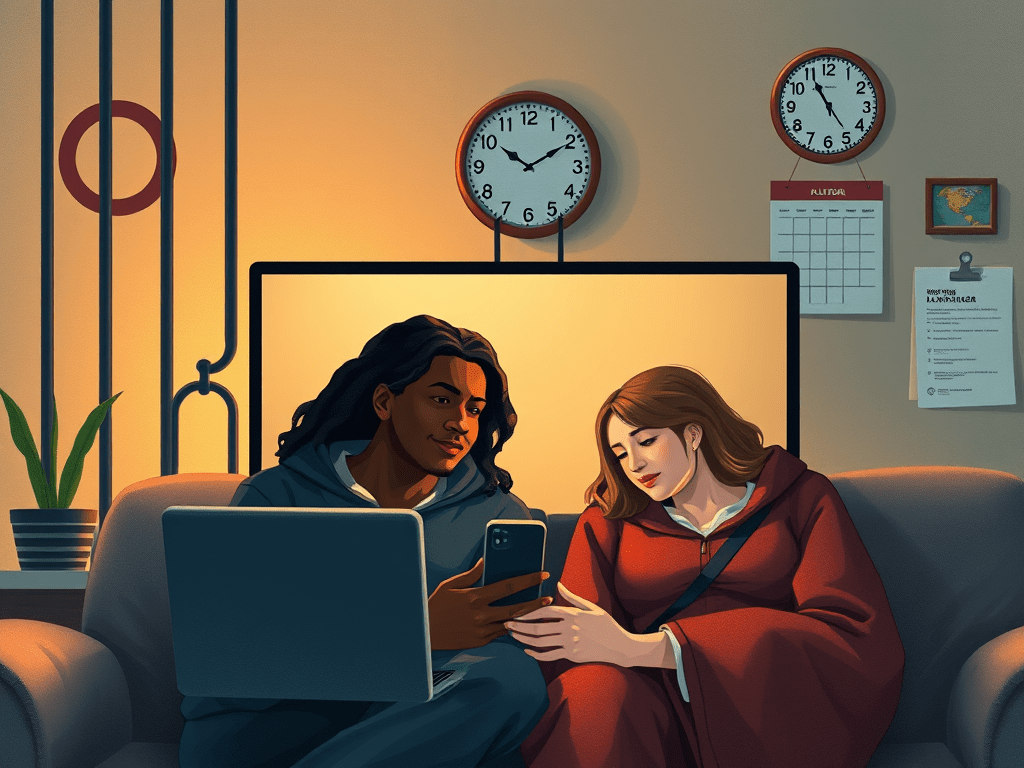
Without contact, it’s easy to lose structure. Give yourself a simple routine that doesn’t rely on them.
- Morning: walk, stretch, check for updates once.
- Midday: focus block (work, chores, errands).
- Evening: one grounding activity (TV, journal, bath, call a friend).
Even if you don’t follow it perfectly, having a plan helps.
Write even if you can’t send it
Open a draft message or journal entry. Say what you’d say if the phones were working. Keep it honest and calm. You can send it when things come back online.
It helps you stay connected without relying on the system. And it gives them something to come back to.
Know when to reach out—and who to contact
If it goes past 72 hours with no confirmation, check with:
- Other families at the same unit
- Your state’s prison agency site
- Trusted Facebook or support groups
If there’s a safety concern, use the ombudsman or facility contact form. But don’t escalate just because you’re anxious. Use those steps when you believe there’s real danger, not just silence.
Prepare now for the next one
Lockdowns are part of incarceration. They will happen again. Create a plan now:
- Who will you contact?
- What will you do with your time?
- How will you calm your nervous system?
Even having a short script—“I’m okay. I’m anxious, but I’m okay. We’ve gotten through this before.”—can help.
You’re not being dramatic. You’re being impacted.
Prison policy treats lockdowns as a safety tool. For families, it’s a blackout. No contact. No warning. No timeline.
It’s okay to say this hurts. And it’s okay to find ways to protect your peace through it. You’re allowed to grieve the silence. You’re allowed to ground yourself anyway.
You’re locked out, but you’re not powerless. Structure, support, and honesty can help carry you through.



 Chapters and Chains
Leave a comment