
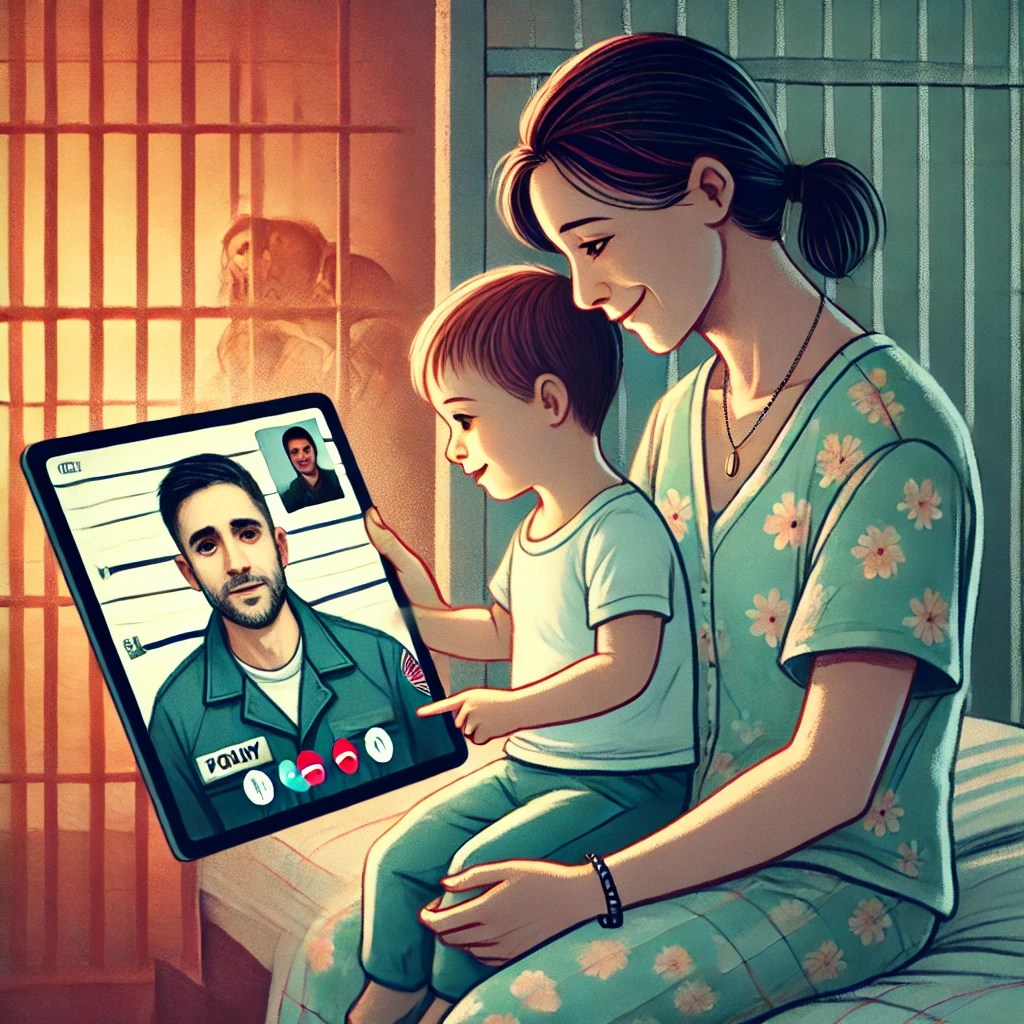
For families with incarcerated loved ones, staying connected can be both a challenge and a necessity. Maintaining strong relationships despite physical separation is essential for emotional well-being, rehabilitation, and successful reentry into society. Thankfully, advancements in technology have made it easier than ever to bridge the communication gap between families and their incarcerated loved ones. From email services to video calls and specialized apps, these tools offer various ways to foster connection, but they also come with challenges that families must navigate.
Email Services: Fast and Efficient Communication
Incarcerated individuals often have limited access to traditional mail, and the time it takes for letters to be delivered can be frustrating. Email services such as JPay, Corrlinks, and Securus provide a faster way to exchange messages. While these platforms do not offer real-time communication, they significantly reduce the waiting period compared to physical mail. Many facilities also allow attachments such as photos, making interactions more personal.
Challenges: The downside to these services is that they often come with fees, which can add up over time. Additionally, messages may be monitored or delayed due to facility restrictions, limiting the flow of communication.
Video Calls: Bringing Face-to-Face Interaction to Incarcerated Loved Ones
One of the most impactful technological advancements for maintaining family ties is video calling. Services like Securus Video Connect and GTL’s VisitMe enable families to see their loved ones even when in-person visits are not possible. Video calls provide a sense of closeness, allowing families to share special moments, support one another emotionally, and maintain a sense of normalcy despite incarceration.
Challenges: While video calls offer a meaningful way to stay connected, they are often expensive, with per-minute fees that can quickly become costly. Furthermore, the quality of video calls can be inconsistent due to outdated prison technology and poor internet connections. Some facilities also restrict the frequency and length of video calls.
Specialized Apps: Enhancing Communication Beyond Calls and Emails
Beyond basic email and video calls, several apps have been developed specifically to help incarcerated individuals and their families stay in touch. Apps like Ameelio provide free messaging services, while Pigeonly helps families save money on phone calls. Additionally, platforms such as Flikshop allow families to send personalized postcards directly from their smartphones, adding a personal touch to communication.
Challenges: Despite their benefits, these services are not available in all facilities, as prison policies vary. Additionally, some apps require internet access or smartphones, which may not be accessible to all families.
Balancing Costs and Accessibility
While technology has undeniably improved communication for incarcerated individuals and their families, the costs associated with these services remain a major concern. Many families struggle with the financial burden of staying in touch, particularly when multiple services are needed. Advocacy groups continue to push for lower costs and better accessibility, aiming to make communication a right rather than a privilege.
Looking Toward the Future
As technology continues to evolve, there is hope for more affordable and accessible communication options for incarcerated individuals and their loved ones. Expanding free or low-cost services, improving call quality, and increasing access to educational and rehabilitative digital resources could further enhance family connections and support positive outcomes post-incarceration.
Helpful Resources
- Worldreader – Provides free digital books for incarcerated individuals and their families.
- Ameelio – A free messaging and video calling service for families with incarcerated loved ones.
- Pigeonly – A service to help families save on prison calls and send mail easily.
- Flikshop – Allows families to send personalized postcards to incarcerated loved ones.
- JPay – Offers email, money transfer, and video visitation services.
Final Thoughts
Technology has become a lifeline for families with incarcerated loved ones, making it easier to maintain connections and provide emotional support. While challenges such as cost, accessibility, and facility restrictions still exist, ongoing advancements in communication tools offer hope for a future where no family is forced apart by the barriers of incarceration. Until then, advocacy and awareness remain crucial in ensuring that technology serves as a bridge rather than a burden.



 Chapters and Chains
Leave a comment