
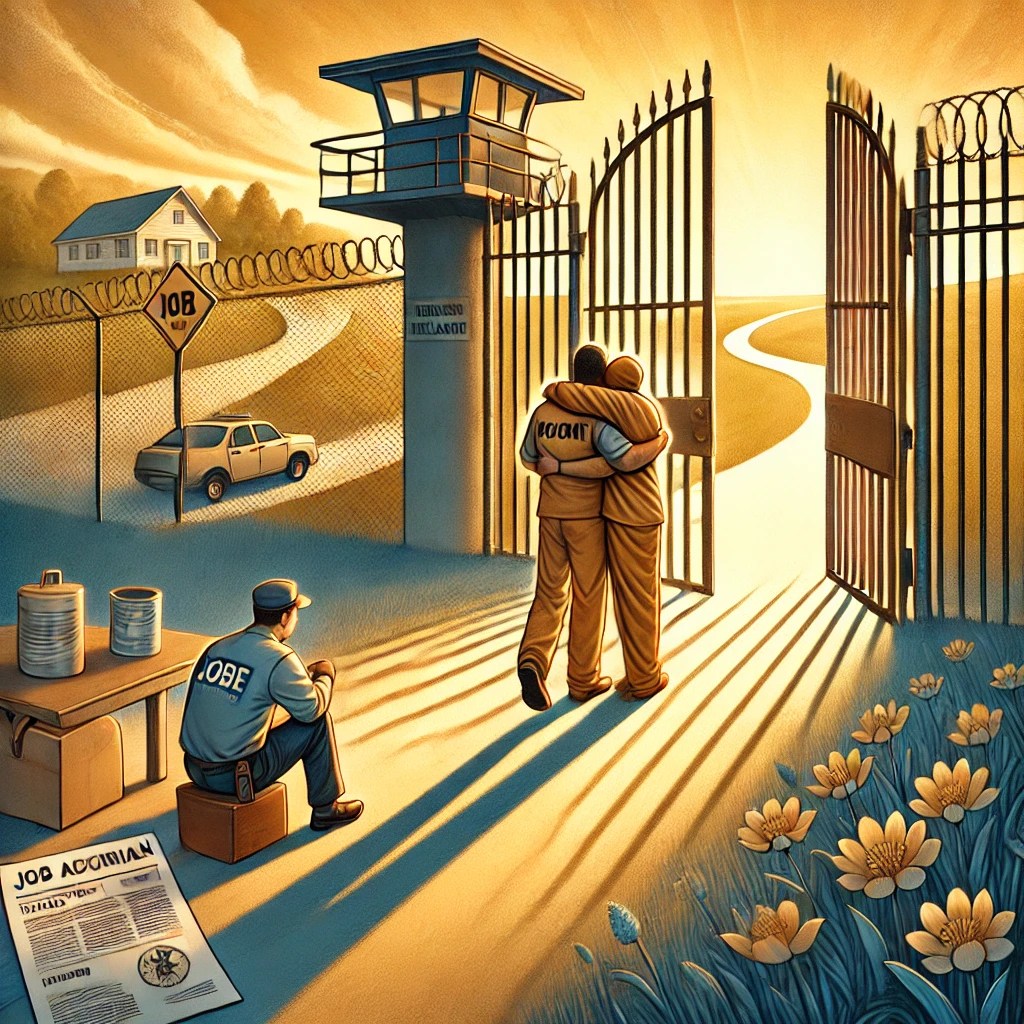
The transition from incarceration to freedom is a pivotal moment, not only for the individual but also for their loved ones. Reestablishing relationships during this period can be both rewarding and challenging. Understanding the dynamics of reentry and implementing supportive strategies can pave the way for successful reintegration and strengthened bonds.
Understanding the Challenges
Reentry into society encompasses more than physical freedom; it involves navigating complex emotional and social landscapes. Common challenges include:
- Cultural Shock: The world outside may have changed significantly, with advancements in technology and shifts in societal norms. This can lead to feelings of alienation or overwhelm. prisonfellowship.org
- Employment and Housing: Securing a job and stable housing is often difficult due to the stigma associated with a criminal record. bop.gov
- Rebuilding Relationships: Time apart can strain relationships with family and friends, requiring effort to rebuild trust and understanding. rti.org
Strategies for Successful Reintegration
- Open Communication
- Express Expectations: Both parties should discuss their hopes and boundaries to align on mutual expectations.
- Active Listening: Listening without judgment fosters empathy and understanding.
- Seek Support Networks
- Support Groups: Engaging with others who have similar experiences can provide emotional support and practical advice. nationalreentryresourcecenter.org
- Professional Counseling: Therapists specializing in reentry can offer guidance tailored to individual needs.
- Set Realistic Goals
- Short-Term Objectives: Setting achievable goals can build confidence and momentum.
- Long-Term Planning: Discuss future aspirations to create a shared vision.
- Educate Yourself
- Understand Reentry Dynamics: Learning about the reentry process can foster empathy and patience. indepthnh.org
- Access Resources: Utilize available tools and programs designed to assist with reintegration. prisonfellowship.org
- Encourage Healthy Habits
- Routine Establishment: A structured daily routine can provide stability.
- Physical and Mental Well-being: Encourage activities that promote health, such as exercise and mindfulness practices.
Resources to Assist in Reentry
- Prison Fellowship: Offers a range of resources for former prisoners and their families, including reentry guides and support networks. prisonfellowship.org
- National Reentry Resource Center: Provides comprehensive information on reentry programs and best practices. nationalreentryresourcecenter.org
- Bureau of Prisons Reentry Services: Offers resources related to employment assistance, housing, and other support services. bop.gov
Conclusion
Reentry is a complex journey that affects both the individual and their loved ones. By embracing open communication, seeking support, setting realistic goals, educating oneself, and encouraging healthy habits, families can navigate this transition successfully. Utilizing available resources further enhances the likelihood of a positive reintegration experience, leading to stronger relationships and a brighter future.



 Chapters and Chains
Leave a comment