
-
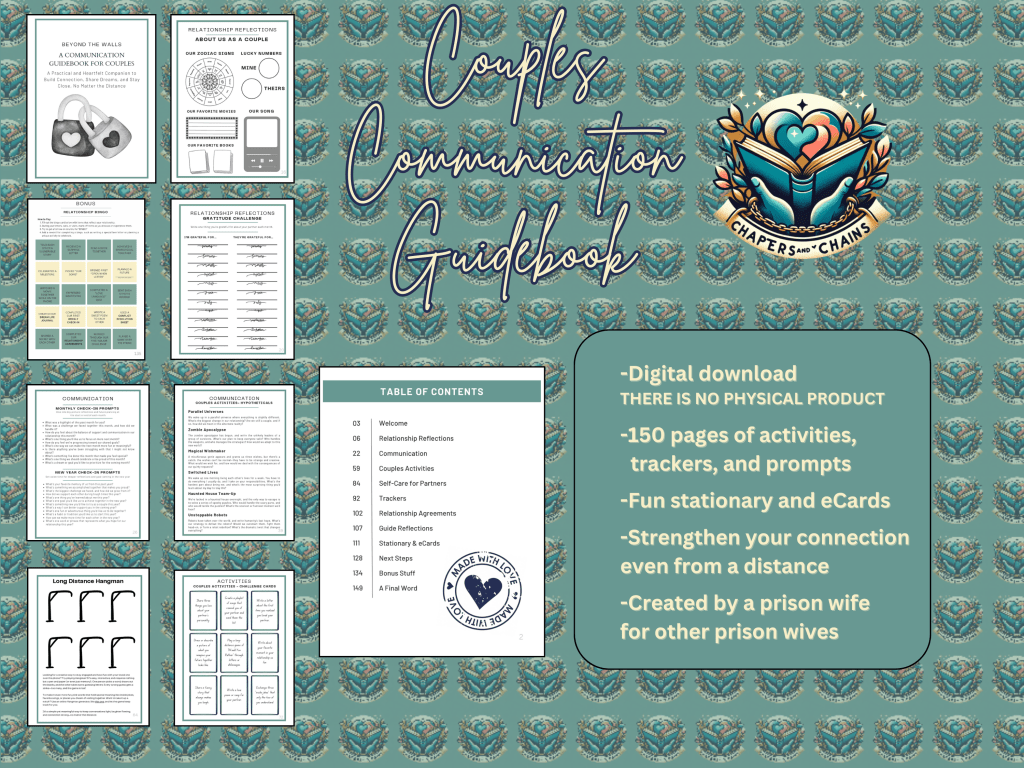 Continue reading →: A Gift That Connects: Why the Couples Communication Guidebook Makes the Perfect Holiday Present
The holidays are supposed to bring people closer. But for couples navigating the distance and challenges of incarceration, the season can feel more isolating than joyful. You may be sending love through letters instead of wrapping paper. Phone calls instead of holiday parties. And while the world counts down to…
-
 Continue reading →: Reciprocity Behind Bars: Balancing Give and Take in Prison Relationships
Even when love spans prison walls, the old give-and-take of a relationship still matters. Reciprocity – the sense that you and your partner are each doing your part – is a core ingredient in any healthy partnership. In normal life, reciprocity might look like splitting household chores or taking turns cheering each…
-
Continue reading →: What Reentry Support Actually Needs to Include (According to Evidence)
Reentry isn’t just “getting out of prison” – it’s rejoining society with a whole host of needs. Research consistently shows that the most effective reentry programs address all the basics of daily life, plus emotional health and community ties. In other words, to cut recidivism, support must be holistic and evidence-based. Key components…
-
 Continue reading →: Daily Affirmations for Anyone Loving Someone Inside
Long-distance love is hard – especially when one person is incarcerated. But you are not alone, and daily positive affirmations can help both your spirit and your relationship. Psychology research shows that affirmations (short, positive statements about yourself or your future) boost mood and confidence. One review found that self-affirmation exercises can significantly reduce…
-
Continue reading →: Carceral Capitalism by the Numbers: A Data Scientist’s Look at the Prison Economy
Most people think of prison as a cost. But in the United States, incarceration has also become a stream of revenue. Carceral capitalism is the system in which punishment is used to generate profit, and every dataset tells the same story: someone is getting paid when someone else is locked…
-
 Continue reading →: 10 Evidence-Backed Reasons Family Contact Lowers Recidivism
Staying connected with loved ones behind bars dramatically improves post-release outcomes. Decades of research show that incarcerated people who receive visits, calls, mail, or other forms of contact are much less likely to re-offend. For example, a large Florida study found each additional visit cut the odds of reconviction by about 3.8%. Receiving more…
-
Continue reading →: The Real Barriers: Challenges Incarcerated People Face That the Public Doesn’t See
Life behind bars is hard in ways most outsiders never imagine. Survey data from the Bureau of Justice Statistics and prison research highlights hidden obstacles that go far beyond what we see on TV. Consider just a few systemic barriers incarcerated people regularly encounter: The public rarely sees these daily struggles. …
-
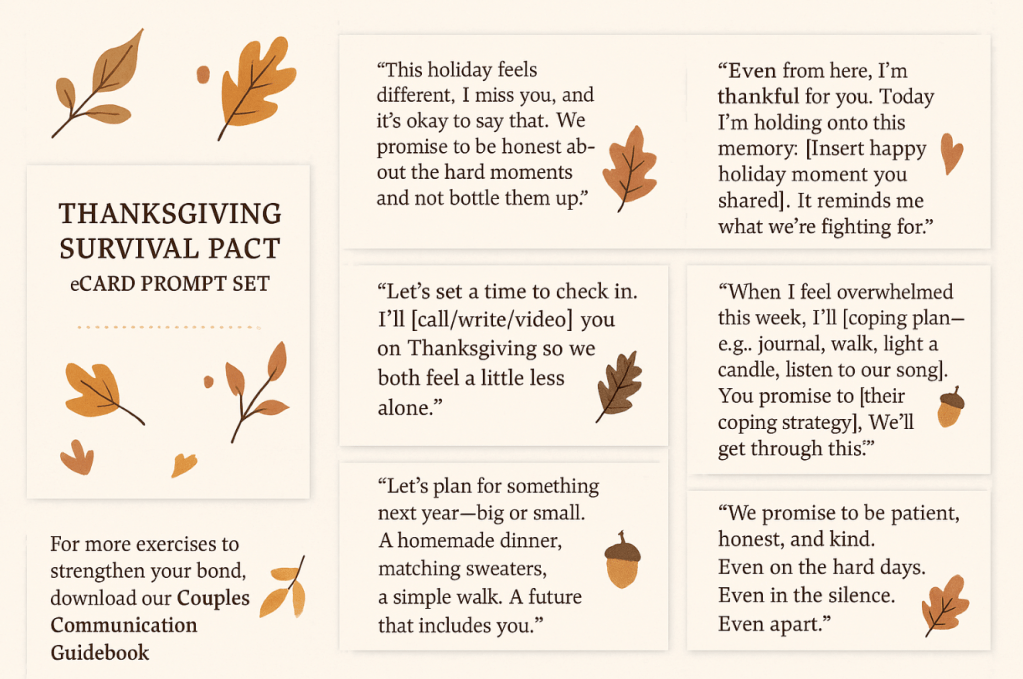 Continue reading →: Coping with Post-Thanksgiving Feelings
By the day after Thanksgiving, the holiday bustle has passed, and you or your incarcerated partner may feel a “holiday blues.” It’s natural to feel a letdown after Thanksgiving. One psychologist notes that the constant images of happy families at the holidays can make separation feel especially painful. In fact, research shows…
-
Continue reading →: Gratitude Letters: How to Express Thanks to Your Loved One Inside
Incarceration changes the rhythm of communication. Every phone call, letter, or visit becomes more than just an exchange—it becomes a lifeline. And in the midst of routines shaped by time limits and heavy emotions, there is one gesture that often gets overlooked: saying thank you. Gratitude is powerful. It doesn’t…
-
Continue reading →: The Taste of Memory: Writing About Holiday Foods You Miss Together
Certain holiday flavors are more than just tasty – they’re transports to our past. Neuroscience calls this the “Proust Effect”: smells and tastes can trigger especially vivid, positive memories. In fact, research finds that nostalgic memories evoked by scent and taste are “especially self-relevant” and even more positive than other nostalgia, boosting self-esteem…
Welcome!
This is Chapters and Chains

Welcome to Chapters and Chains – I created this site for those looking for a way to connect with a loved one who is incarcerated and who are navigating the complex correctional systems across the United States.
Find out more about us in this LWW Podcast .
Here you will find ways to connect through reading and books with your loved one, information on how to put parole packets together, resources for reintegration and helpful planning documents. All resources are and will always be free or low-cost.
However, if you would like to say “Thank you!” you can donate below or at $ChaptersNChains

You can also purchase “Beyond the Walls: A Couples Communication Guidebook” that helps fund this site and the work that we do!



 Chapters and Chains