
-
 Continue reading →: How to Set Healthy Boundaries While Supporting an Incarcerated Loved One
Supporting an incarcerated loved one is a journey filled with emotional complexities, financial considerations, and personal challenges. While your support plays a crucial role in their rehabilitation and well-being, it’s essential to establish healthy boundaries to protect your own mental and emotional health. Setting these boundaries ensures that you can…
-
Continue reading →: Sustainability in Prison: How Incarcerated Individuals Are Contributing to a Greener Future
Incarcerated individuals contribute significantly to sustainability through various programs, including gardening, habitat restoration, and wildfire training. These initiatives improve inmate skills, mental health, and recidivism rates while promoting environmental responsibility, highlighting prisons as potential sites for rehabilitation and positive change.
-
Continue reading →: Writing a Parole Support Letter: What to Include & How to Make an Impact
Parole support letters play a crucial role in humanizing an incarcerated individual, demonstrating their growth, and showing the parole board that they have a strong support system awaiting them upon release. These letters provide insight into the person behind the file, emphasizing their rehabilitation, the stability they will have post-release, and the positive…
-
 Continue reading →: Small Wins, Big Impact: Celebrating Progress in Your Relationship
Relationships are built on moments—big and small. When your loved one is incarcerated, it’s easy to focus on the challenges: the distance, the restrictions, and the heartbreak of separation. But within those struggles, there are victories—small wins that carry deep meaning and have the power to strengthen your connection. Too…
-
Continue reading →: 5 Ways to Maintain Your Own Identity While Supporting Your Loved One
Loving and supporting an incarcerated partner or family member is an act of deep commitment, but it can also be emotionally consuming. Many people in this position find themselves prioritizing their loved one’s needs over their own, leading to burnout, frustration, or even a loss of self-identity. It’s possible to be a…
-
 Continue reading →: The Reality of Post-Incarceration Syndrome: How to Prepare for Reentry
Reentering society after incarceration presents numerous challenges, both visible and hidden. One significant yet often overlooked hurdle is Post-Incarceration Syndrome (PICS), a condition affecting many formerly incarcerated individuals. Understanding PICS and preparing for its potential impact is crucial for a successful transition back into the community. Understanding Post-Incarceration Syndrome (PICS) Post-Incarceration…
-
Continue reading →: Breaking the Stigma: How to Handle Judgment From Friends & Family
Loving someone who is incarcerated comes with challenges beyond the prison walls. One of the hardest to navigate is the stigma from friends, family, and society. Whether it’s judgmental looks, unsolicited advice, or outright disapproval, the weight of others’ opinions can be exhausting. People who have never experienced the criminal justice…
-
 Continue reading →: When They Withdraw: How to Reconnect With Your Loved One in Prison
Loving someone who is incarcerated comes with its own set of challenges, but one of the most difficult things to navigate is when they start to withdraw emotionally. The sudden distance, shorter phone calls, or fewer letters can leave you feeling hurt, confused, or even wondering if they still care. Incarceration…
-
 Continue reading →: Hope & Resilience: Finding Strength on Easter When Your Loved One is Incarcerated
Easter is a time of renewal, family gatherings, and new beginnings, but for those with an incarcerated loved one, the holiday can bring a mix of emotions. It is a reminder of traditions left behind, of missing someone who should be at the table, and of the unique challenges that…
-
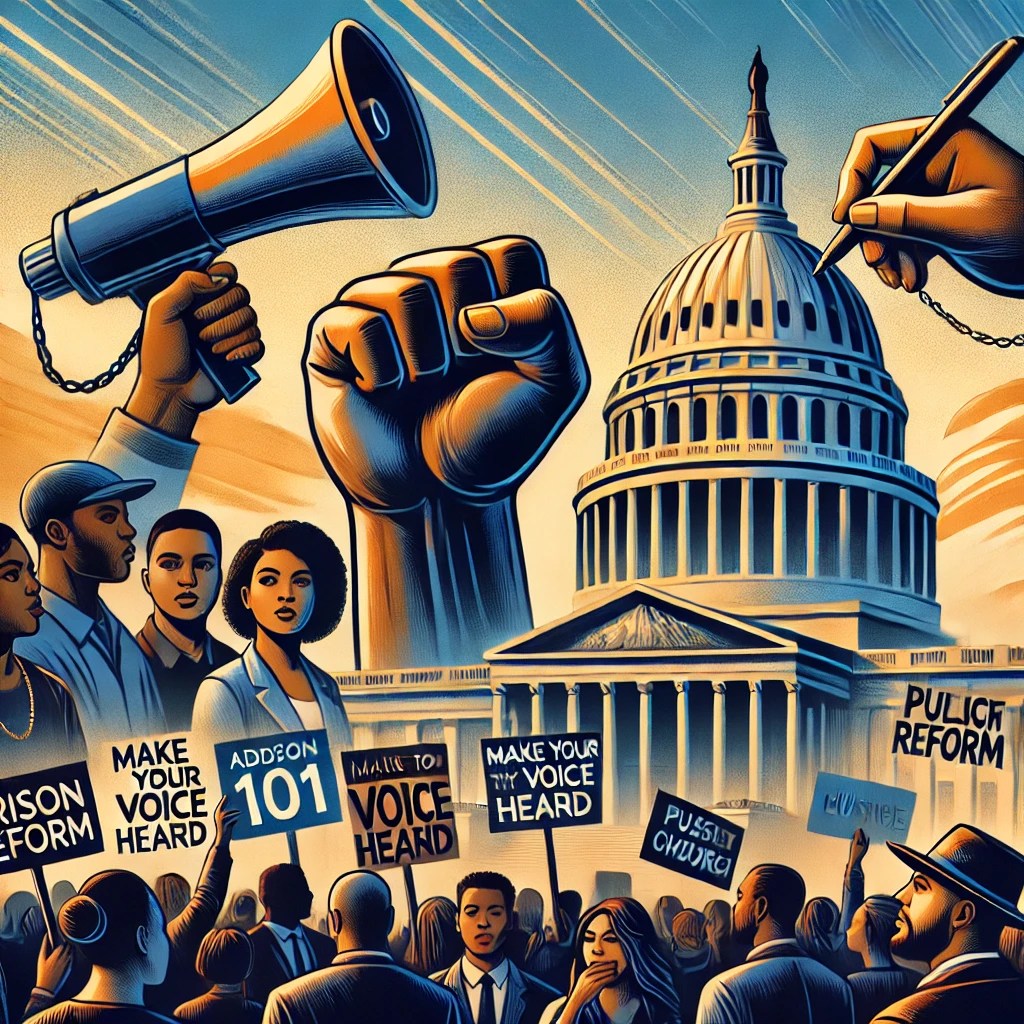 Continue reading →: Advocacy 101: How to Make Your Voice Heard for Prison Reform
The prison system in the United States is vast, complicated, and often unjust. Families of incarcerated individuals, activists, and everyday citizens have the power to influence change, but knowing where to start can feel overwhelming.How do you make your voice heard in a system that seems so resistant to reform? Whether…
Welcome!
This is Chapters and Chains

Welcome to Chapters and Chains – I created this site for those looking for a way to connect with a loved one who is incarcerated and who are navigating the complex correctional systems across the United States.
Find out more about us in this LWW Podcast .
Here you will find ways to connect through reading and books with your loved one, information on how to put parole packets together, resources for reintegration and helpful planning documents. All resources are and will always be free or low-cost.
However, if you would like to say “Thank you!” you can donate below or at $ChaptersNChains

You can also purchase “Beyond the Walls: A Couples Communication Guidebook” that helps fund this site and the work that we do!


 Chapters and Chains